Our Story
MicroPower's story begins with a simple observation: the world wastes more energy as heat than it consumes as electricity. The physics that lets you convert heat directly into electricity at high efficiency was discovered through a piece of scientific serendipity in the late 1990s – and most of MicroPower's first decade was spent turning that physics into something an industrial customer could buy.
The work began at Eneco, a small Utah company originally researching anomalous heat effects in low-energy nuclear systems (sometimes called LENR). Two scientists – Dr. Yan Kucherov and Dr. Victor Sevastyanenko – realised that if any high-thermal-output technology was ever going to be useful, the world would also need a much better way to turn that heat into electricity. While exploring the thermoelectric question they stumbled on a substantial breakthrough: a doped semiconductor structure that sorted electrons by energy and produced conversion efficiencies several times higher than anything in the published literature. The physics was formalised in peer-reviewed publications co-authored with Peter Hagelstein at MIT – Applied Physics Letters (2002) and Journal of Applied Physics (2005) – and documented in Chapter 13 of the 2005 CRC Thermoelectrics Handbook. Foundational US Patent 6,396,191 covers the device structure.
Independent third-party replication followed quickly. The US National Institute of Standards and Technology measured the enhanced-voltage thermal-diode effect on the original material system in late 2001, reaching 38% of the Carnot limit at 240°C. The US Navy's two nuclear-propulsion laboratories – Bechtel-Bettis and Lockheed Martin KAPL – ran their own confirmations in 2001–2002 following a DARPA review. The science was independently validated across three national-grade laboratories.
Like many ambitious materials-science startups of that era, Eneco itself ran out of money before commercialisation; the company went into bankruptcy in 2008. A competitive process followed in the US bankruptcy court for the IP estate, and at the end of 2008 MicroPower Global was the successful party. The patents, the materials, and the underlying expertise transferred to the new company.
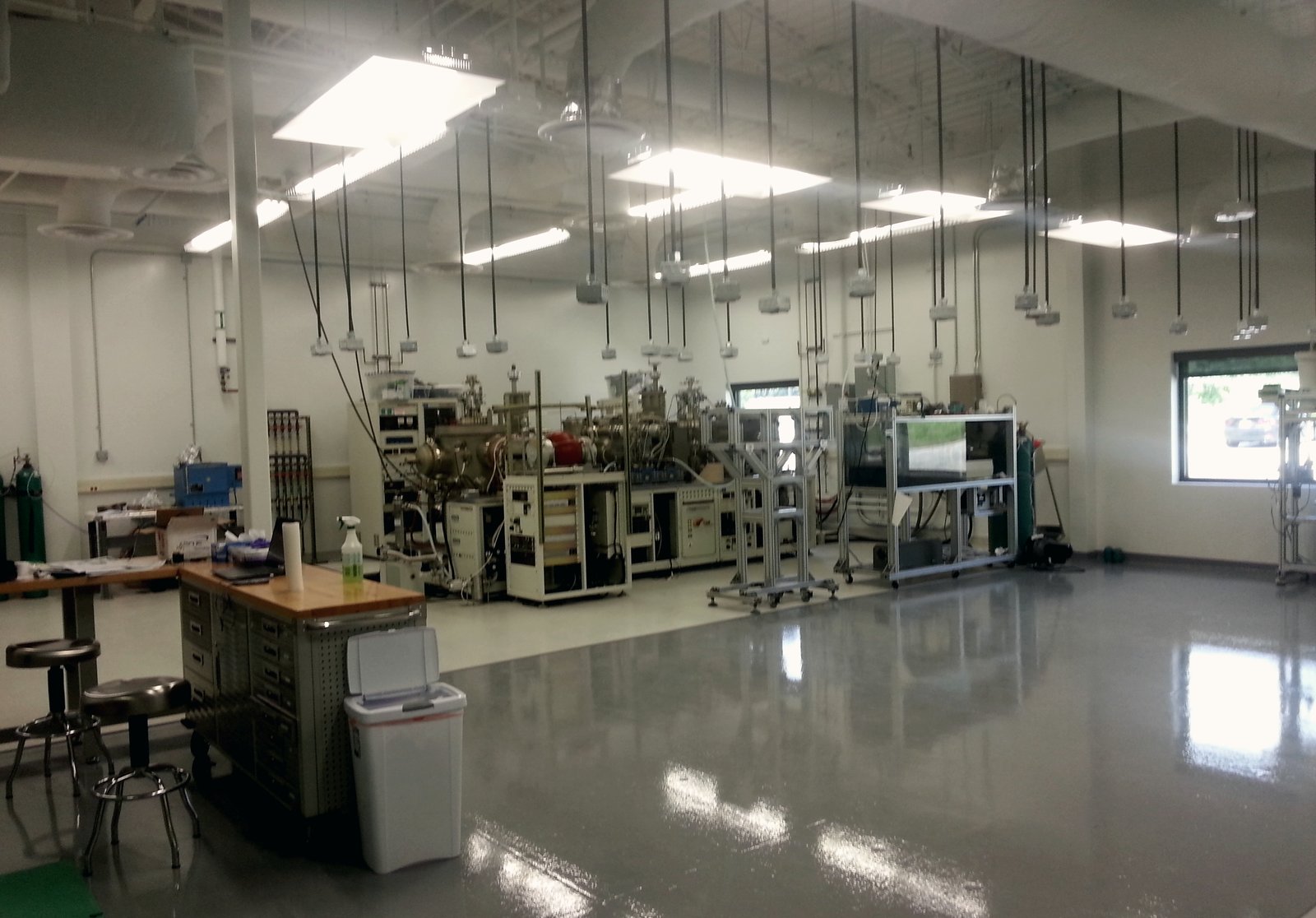
In October 2009 MicroPower struck the agreement that became the company's operational home for the next decade and a half: a deal with Texas State University to set up engineering development inside the materials sciences building in San Marcos, Texas. The arrangement gave the new company access to top-tier semiconductor equipment, an in-house pool of materials-science expertise, and a low-cost commercialisation base. Work began in early 2010. When the Texas State Science, Technology and Research (STAR) Park opened off-campus in 2013, MicroPower moved into the new facility a few miles down the road and has been based there since.
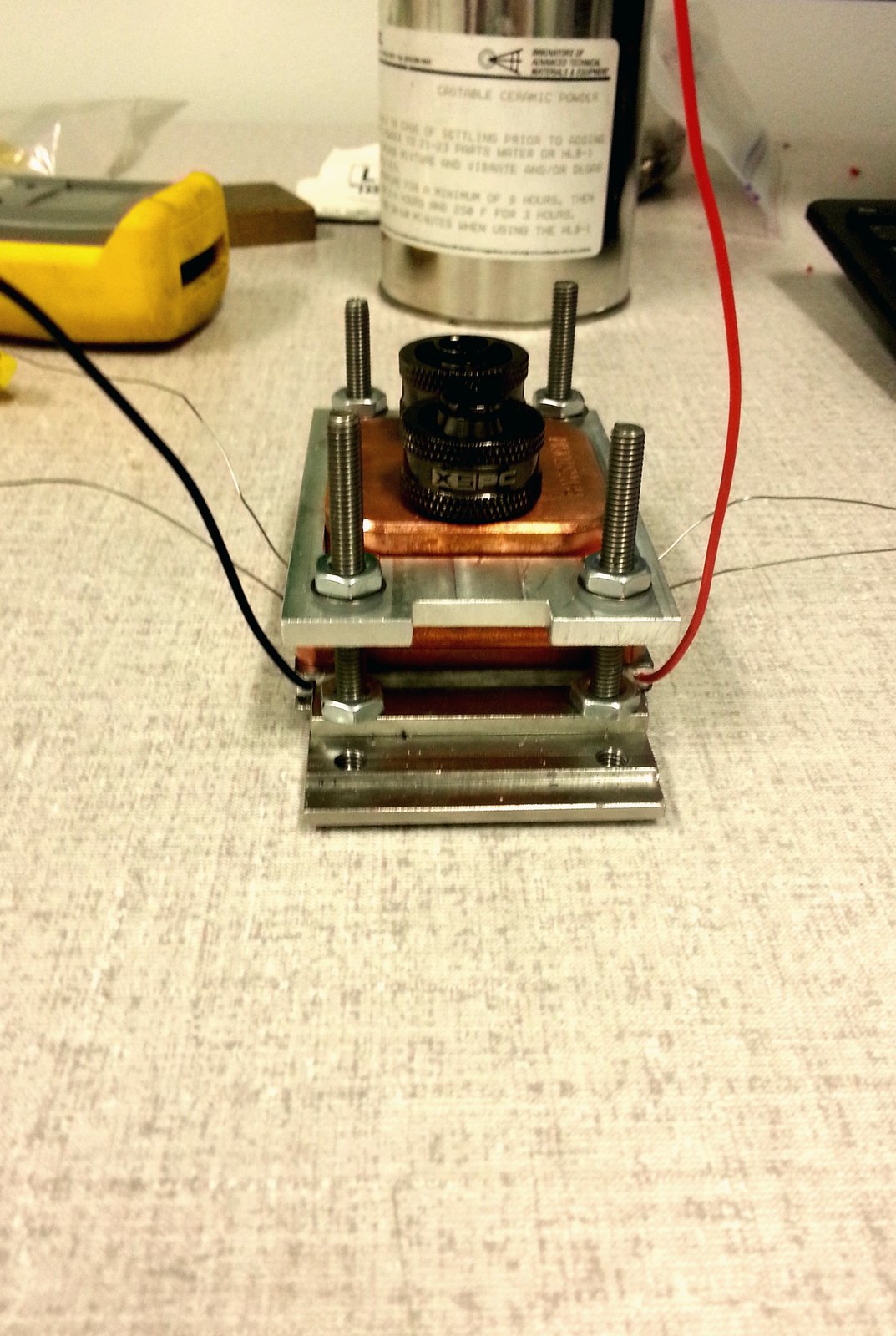
The result is a PbTe/TAGS platform whose standard modules deliver 14% conversion efficiency at 550°C – a figure extrapolated from the US Army Research Laboratory's evaluation of those modules, with the National Renewable Energy Laboratory independently confirming that production modules met datasheet specification – and a patented MBE-grown energy-sorting barrier layer architecture that, on MicroPower's post-funding production roadmap, multiplies chip-level power density on top of that.
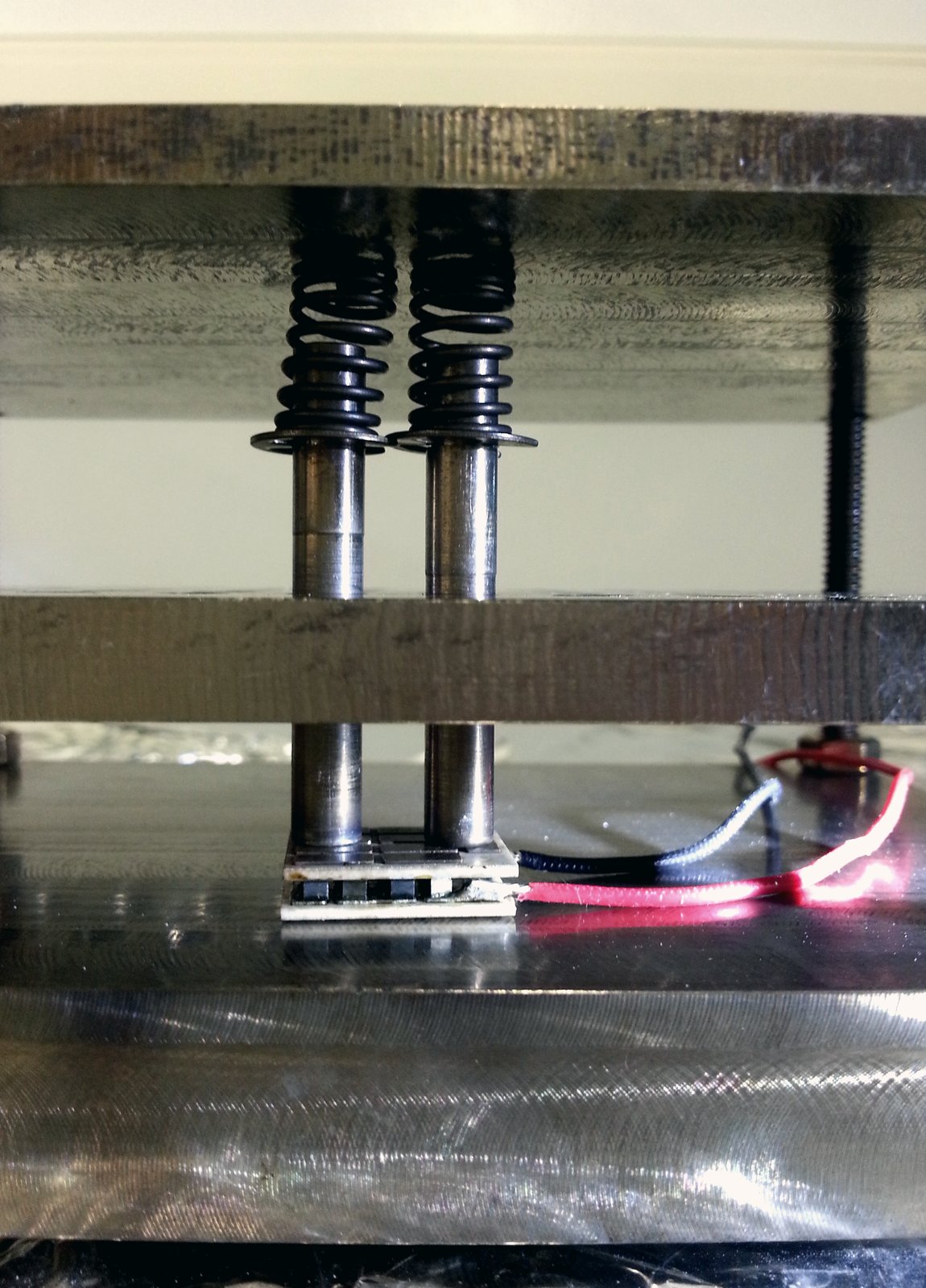
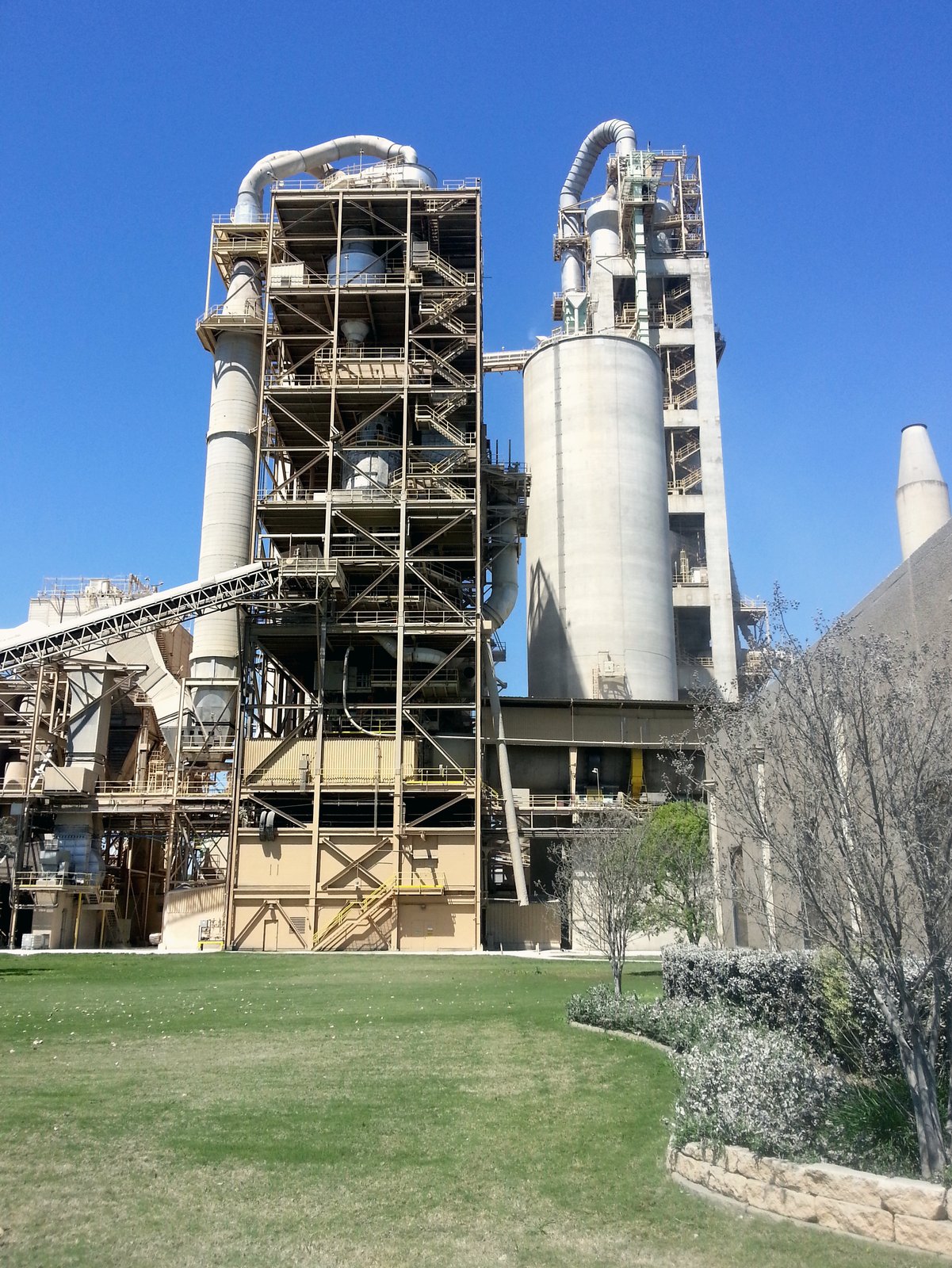
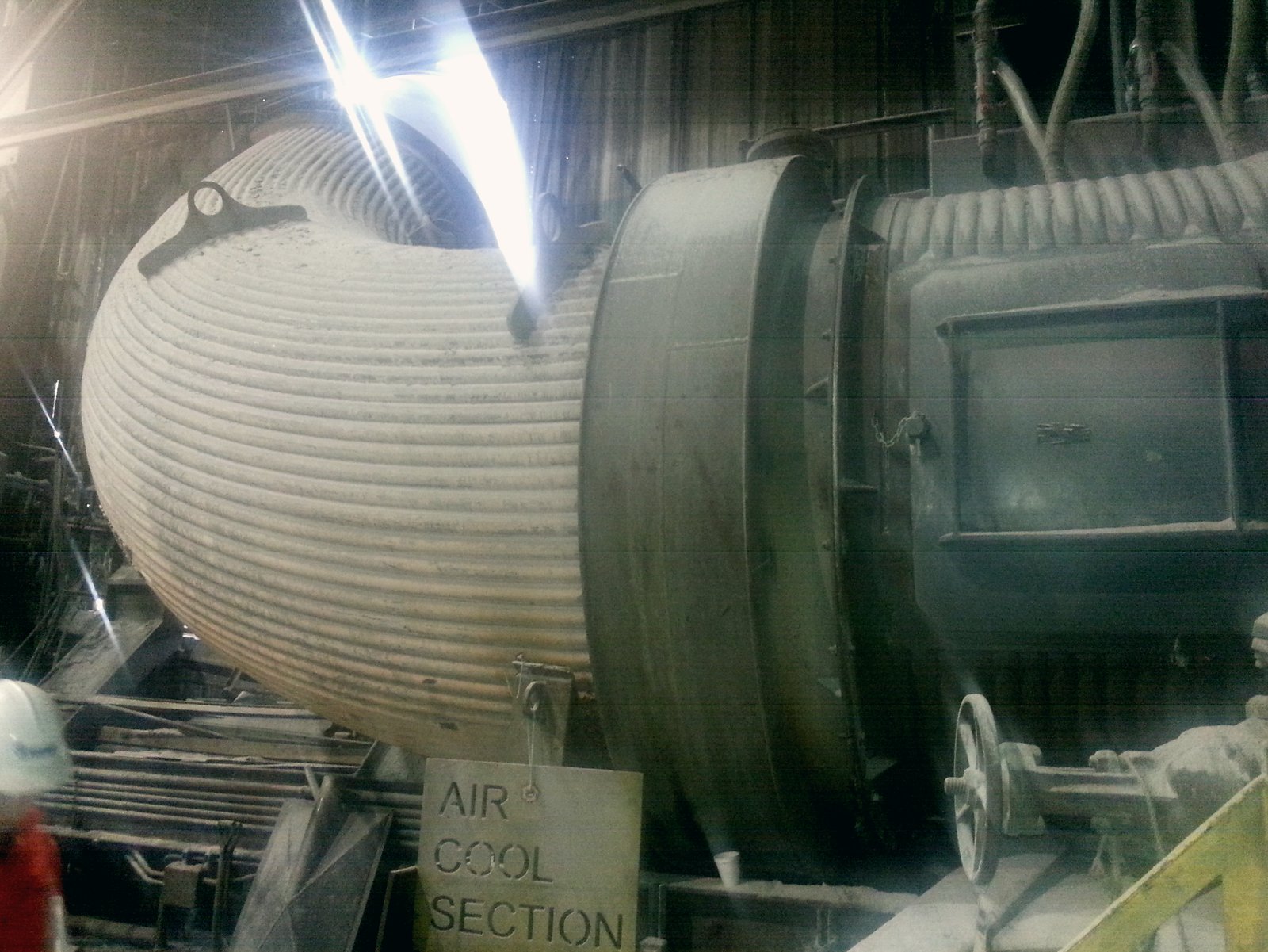
From the 2012 ARL Cooperative Research and Development Agreement onwards, MicroPower built out the high-temperature contact and packaging engineering that the platform needed for real industrial conditions. First chips and modules shipped to customers for testing in 2015; first revenues followed in 2016. Independent evaluations by the US Army Research Laboratory, the US Air Force, and the National Renewable Energy Laboratory confirmed the performance claims; an official US Department of Defense assessment described the technology as "best in class." Proof-of-concept tests followed in real operating conditions: a 50W field installation on a biomass cooking stove in 2016, a 200 kW natural-gas generator exhaust test with BrasilGTW in 2020, defence-sector engagements with QinetiQ and Demcon in 2021, and a 2,500+ hour live-module run at Gerdau's Selkirk steel plant in 2021–2022. These were not commercial deployments and were never meant to be. Their job was narrower and more fundamental: to prove the devices could survive and operate in the harsh, high-temperature environments they were designed for. They did.
The road has not been short or uncomplicated. Proving a technology works in the field is a different thing from manufacturing it at scale, and this is where MicroPower reached its limit. Without a manufacturing capability of its own, and without the capital to build one, there was no commercial next stage the company could take these results to. In recent years MicroPower wound down active operations, protecting the technology, the intellectual property, and the validation data rather than spending against a stage it could not yet fund.
Where MicroPower is today. Having completed the R&D and validation phases, MicroPower is now in a capital-formation phase – seeking strategic investors and industrial partners to capitalise the first commercial deployment. The technology, intellectual property, and validation data are intact and ready; the work ahead is building the manufacturing capability and the capital stack to bring the platform to market at scale. We welcome conversations with aligned investors and partners across any of the sectors above.